Healthy habits do not begin in adolescence or adulthood. They begin in the early years, shaped by everyday experiences, family routines and the subtle messages children absorb about food, movement and care. In nursery and Reception settings, practitioners are uniquely positioned to help lay those foundations in ways that feel natural, exploratory and inclusive.
Food education in early childhood is not about calorie counting or strict rules. It is about familiarity, confidence and connection. When young children feel comfortable around a wide range of foods and understand that eating is part of looking after their bodies, they begin developing habits that can last a lifetime.
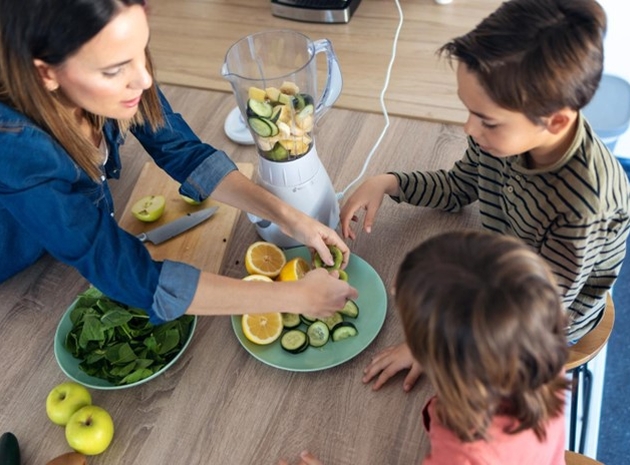
Research consistently shows that repeated exposure to different flavours and textures increases acceptance. A child who has opportunities to explore fruit, vegetables, grains and proteins through play and cooking activities is far more likely to approach new foods with curiosity rather than hesitation.
In practice, this might look like tasting sessions, simple food preparation tasks, or sensory trays filled with herbs and spices. Even describing colours and textures during snack time builds vocabulary while normalising variety.
Equally important is the emotional tone around food. When adults model calm, positive attitudes and avoid labelling foods as “good” or “bad”, children learn balance rather than guilt. The goal is to foster a relationship with food that feels supportive rather than restrictive.
Healthy habit formation does not stop at the nursery door. Families play a central role, and collaboration between practitioners and carers strengthens consistency.
Conversations with parents and grandparents often reveal different perspectives shaped by culture, personal health experiences and generational knowledge. In some cases, families may be navigating specific dietary needs linked to long-term health conditions.
Across healthcare systems, access to registered dietitians online covered by Medicare has made professional nutritional guidance more accessible for older adults managing diabetes, cardiovascular concerns or other conditions. While this model is specific to certain countries, it reflects a broader global trend towards insurance-supported, preventative nutrition care.
Understanding these wider family dynamics helps early years practitioners approach conversations with empathy. When a grandparent is adjusting their diet under medical guidance, or a parent is learning more about balanced eating, those changes inevitably influence children’s experiences at home.
By sharing simple, inclusive guidance rather than prescriptive rules, settings can support families in creating consistent messages around food.
Children learn best through doing. Cooking activities provide rich opportunities for cross-curricular development. Measuring ingredients supports mathematical thinking. Following simple instructions builds listening skills. Talking about what is happening in the bowl or on the tray encourages expressive language.
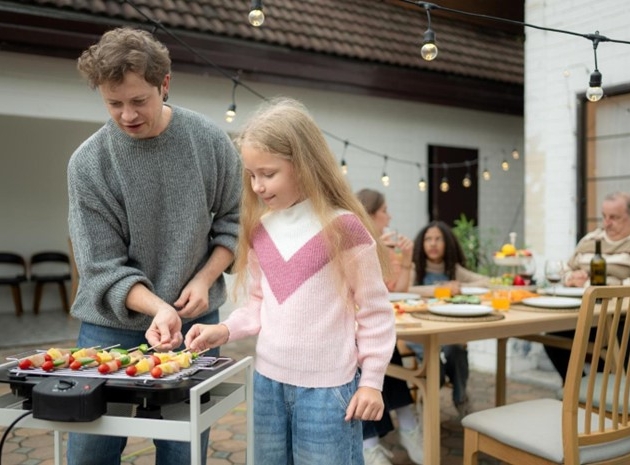
Outdoor cooking, where appropriate, adds another layer of engagement. Preparing vegetables on a small supervised grille or toasting flatbreads outdoors can transform food into an adventure. It also introduces practical life skills, including hygiene and safety.
Maintaining high standards of cleanliness is essential in these contexts. Using appropriate grill cleaning tools to remove residue and ensure safe surfaces models responsibility and care. When children observe adults cleaning equipment thoroughly after use, they learn that cooking involves preparation and maintenance as well as enjoyment.
These moments quietly reinforce the idea that health is connected to everyday actions.
It is important to remember that healthy habit formation is not about achieving perfection. Children will have preferences. They may reject a new vegetable one week and accept it the next. The aim is exposure without pressure.
Encouraging children to serve themselves, within reason, can also build autonomy. Feeling trusted to choose small portions fosters independence and reduces mealtime tension.
Language again plays a critical role. Describing food in sensory terms – crunchy, juicy, smooth, warm – invites exploration. Praising children for trying something new, rather than finishing everything on the plate, reinforces effort over compliance.
Every early years setting reflects a diverse community. Cultural traditions influence what families eat, how meals are structured and what ingredients are familiar. Inclusive food education recognises this diversity and welcomes it.
Inviting families to share recipes, stories or food-related celebrations enriches the curriculum and affirms identity. It also helps children see that healthy eating looks different in different homes.
Accessibility is equally important. Some families may face financial constraints or limited access to fresh produce. Practitioners can support by offering practical, budget-friendly ideas and signposting local community resources where appropriate.
Healthy habits must feel achievable, not aspirational.
The early years are a powerful window for shaping attitudes towards health. When children grow herbs in a planter, mix simple ingredients, or watch adults clean and care for cooking equipment, they are absorbing lessons that extend far beyond snack time.
They learn that food is part of community, part of family and part of self-care. They see adults modelling balanced choices and responsible practices. They experience eating as something social, creative and positive.
These foundations matter. A child who associates food with curiosity rather than conflict is more likely to approach future choices thoughtfully. A child who sees health discussed openly across generations understands that wellbeing is lifelong.
By weaving food education into everyday practice, through play, partnership and practical skills, early years settings help build not just knowledge, but confidence.
And in those early foundations, the seeds of lifelong healthy habits quietly take root.

Supporting EAL with Stories and Creativity
Ace-Practitioner

 follow us @TeachEarlyYrs